

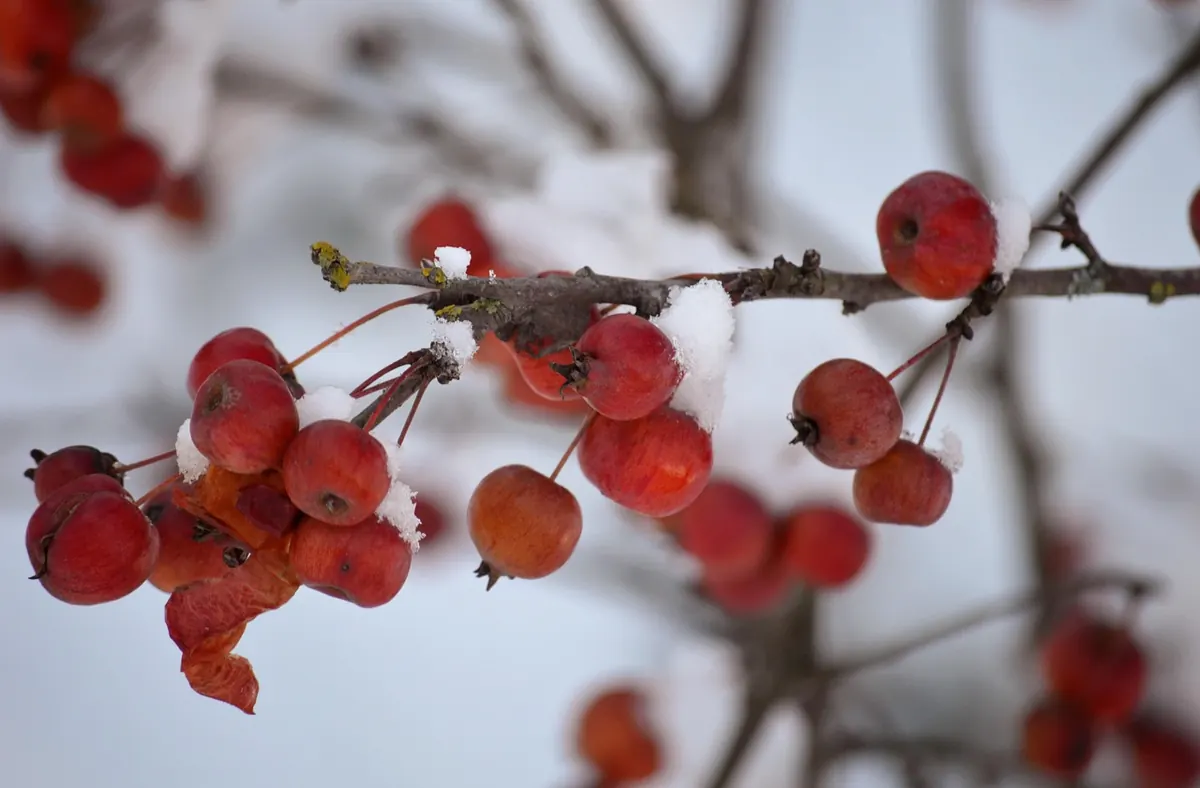
September, a hedge bent double with sloes, and the urge to fill a bag is almost physical. That urge isn't the problem. What matters is the ten minutes after it — whether you pick like someone passing through, or like someone taking possession.
Foraging rewards patience and manners as much as knowledge. You can learn a dozen species in a season; learning to leave a hedge in better shape than you found it takes about the same time, and it keeps the places you love worth returning to. What follows is the checklist worth running through before your hands go into the brambles.
Ask First, Even When Nobody Is Watching
Nearly all the good stuff grows on land that belongs to someone or is managed by someone: a farmer, a council, a park authority, a golf club, a housing trust, a conservation charity. A footpath across a field usually gives you a right to cross, not a right to harvest. Village greens, canal banks, park edges and car park verges all have their own rules, and those rules are set locally. They vary more than most people expect.
So find out who to ask. A knock at the farm door, a short email to the parish office, a word with the ranger, the allotment secretary, the person mowing the verge. Ask three specific things:
- May I pick here, and is there anywhere you'd rather I stayed out of?
- Has anything been sprayed, and when?
- Is there a season or a week when you'd rather nobody came through?
A polite ask often produces a bonus: the corner where the damsons hang thickest, the hedge that never gets sprayed, the field that's cut late. Silence is not permission. If you can't work out who owns the land, that is your answer — leave it and find somewhere you can ask about.
Rules and permits differ from country to country and often from one town to the next. For anything beyond a basket for your own kitchen, confirm the position with the landowner or a local foraging group, and take proper advice if you're thinking commercially.
Identify With Certainty, or Walk Past
Confidence is not the same as certainty, and the gap between them is where people get hurt. A workable minimum: two separate identification features, checked against two independent sources, one of them a real printed guide rather than a phone photo. Leaf shape alone is not enough. Look at the stem — round or ridged, hairy or smooth, hollow or solid — how the leaves join, whether the plant has a smell when a single leaf is crushed, and what it's growing among.
Families that deserve respect
The carrot family is the classic trap. Poison hemlock and fool's parsley grow in the same verges and rough ground as wild carrot, sweet cicely and fennel, and the differences come down to details you need to have learned before you arrive. Fungi deserve the same caution: identification is a skill best learned from a person, in the field, with a specimen in hand. No photograph on a screen settles a mushroom.
And ignore the old line that birds wouldn't eat anything bad for you. Birds and people handle different compounds; a berry can be fine for a blackbird and miserable for you.
A sensible first season is a short list of things that are hard to confuse: blackberries, wild garlic (crush a leaf — it should smell of garlic, which rules out the similar-looking leaves of lily of the valley), elderberries for cooking, hedgerow apples and damsons, hazelnuts, rosehips. Get very good at six plants rather than vaguely acquainted with thirty.
Harvest So the Plant Comes Back Stronger
Technique matters more than quantity. Hold the branch with one hand and pick with the other, rather than dragging fruit off and snapping twigs with it. Ripe berries and small fruit often drop at a gentle shake over an open container, which is kinder to the bush than pulling. Never uproot a plant for its leaves — take the outer leaves, the top four of a nettle, the younger growth. Cut cleanly rather than tearing: a ragged wound is an opening for disease, and bark stripped from a branch kills everything above the scar.
Then there's the question of how much. One in ten, and less where it's scarce, is a decent rule of thumb rather than a law of nature. On a heavy old damson tree in a good year, a tenth is invisible. On a single straggly apple sapling, a tenth is theft. Take nothing at all from the small, the isolated, the slow-growing, or the only clump you've found — and never take the last of anything.
Leave the hedge as though you were never there, and it will feed you again next year.
Leave a Share for the Residents
The fruit you don't pick has a job. Left on the branch, it feeds thrushes and redwings through autumn, and small mammals and insects after that. Ivy and holly berries matter most in late winter, when there is very little else about, so those are the ones to pass by whenever you can. Fallen fruit isn't waste either — leave a decent share on the ground.
From spring into summer, hedges are nurseries. Blackbirds, dunnocks and wrens nest low, sometimes at knee height in bramble tangles or on the ground under grass. Look before you push an arm in, and if a bird lifts off or starts scolding you, back out and come back in a month. Deadwood and standing stumps are habitat too, so don't tidy them away to get at a better branch.
Mind Your Feet and What's On the Ground
Most damage at popular foraging spots isn't caused by picking; it's caused by trampling. The same six people walking the same three feet into a woodland edge will compact soil and wear away moss and lichen that took years to establish. Vary your route, stay on paths where they exist, and don't wade through a flower-rich verge to reach one bush.
Then think about what you're picking through. Busy roadside verges collect exhaust and tyre dust, and the lower growth is where it settles. Popular dog-walking ground speaks for itself. Field margins get spray drift, and "it looks wild" tells you nothing about what the neighbouring farmer did in April. Railway lines and motorway embankments are genuinely dangerous and usually out of bounds entirely. Wash everything before it goes in the pan, and be choosier about leaves than about fruit you're going to cook.
One last piece of hygiene: soil and seeds ride in on boot treads. Give your boots a brush between sites so you're not moving invasive plants or plant disease from one place to another.
Keep Your Own Limits in View
Take small amounts the first time you try anything unfamiliar, and don't make a whole meal of a new ingredient. Some people react badly to fruits others eat happily, and a first taste is a poor place to discover that. Keep your haul to what you'll actually use — one pudding, one batch of jam, one tray in the freezer. A bag that sours in the boot helps nobody, least of all the bush it came from.
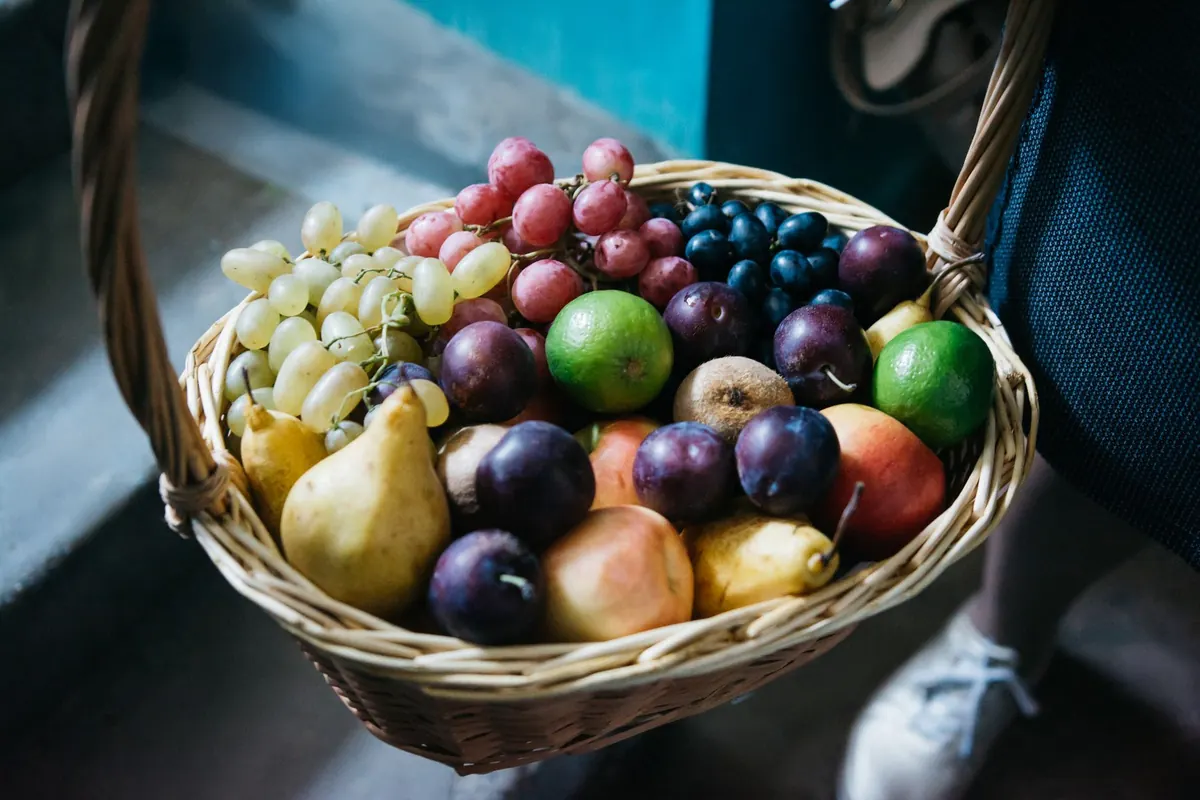
Carry a basket, cotton bags or shallow trays rather than sealed plastic. Soft fruit needs air and space; spread it out, get it cool, and deal with it the same day. If you have a health condition, take regular medication, are pregnant, or are feeding a family, ask a pharmacist or doctor before experimenting with unfamiliar plants. Never eat anything you're not sure about, and if fungi interest you, get in-person confirmation from someone experienced before anything reaches a pan.
The Two-Minute Check Before You Reach In
- Whose land is this, and do I actually know the answer?
- Can I name this plant with certainty, not hope?
- Is this the only one here, or the last of the season? Then walk on.
- Am I taking a tenth or less, and leaving the branch intact?
- Would anyone walking past afterwards notice I'd been?
- Is the ground clean — no heavy traffic, no dog fouling, no spray drift, no nest in reach?
If all six answers sit easily, pick. If two of them don't, come back next week or find a better bush. There will be another one — there always is — and the hedge you left tidy will still be there when the sloes darken again next September.