

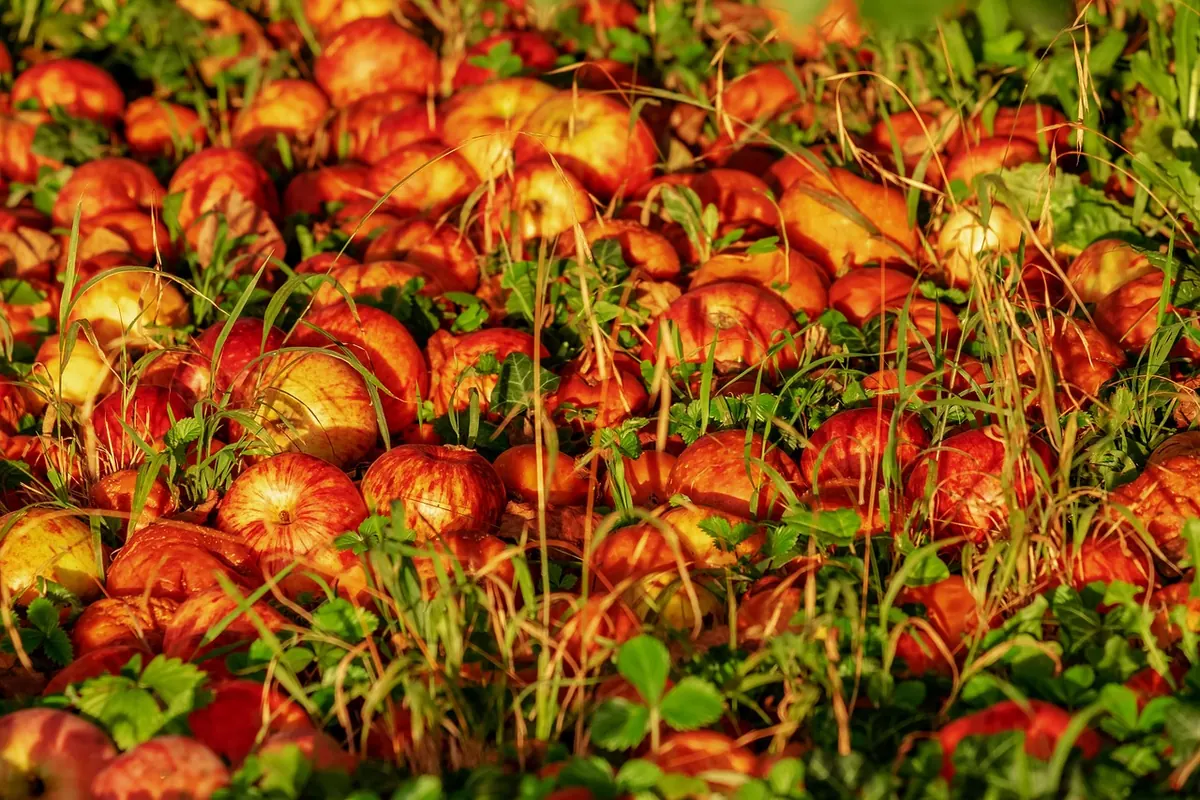
Windfall apples are the most overlooked free food in any town. They split on the pavement, get kicked along the kerb and end up in the gutter while people two streets away buy fruit that travelled further than they did that week. Learning to read those trees — and to ask before you take — turns an ordinary walk into something closer to a harvest.
Fallen fruit is also the easiest place to start. You do not need climbing gear, a permit for a woodland, or a deep knowledge of fungi that could ruin your weekend. You need a bag, a pair of gloves, and enough patience to leave the doubtful fruit where it lies.
Where public fruit actually grows
Fruit in cities is rarely random. Trees turn up in a few recognisable settings, and once you know what to look for you will start noticing them on routes you have walked for years.
Streets, verges and cycle paths
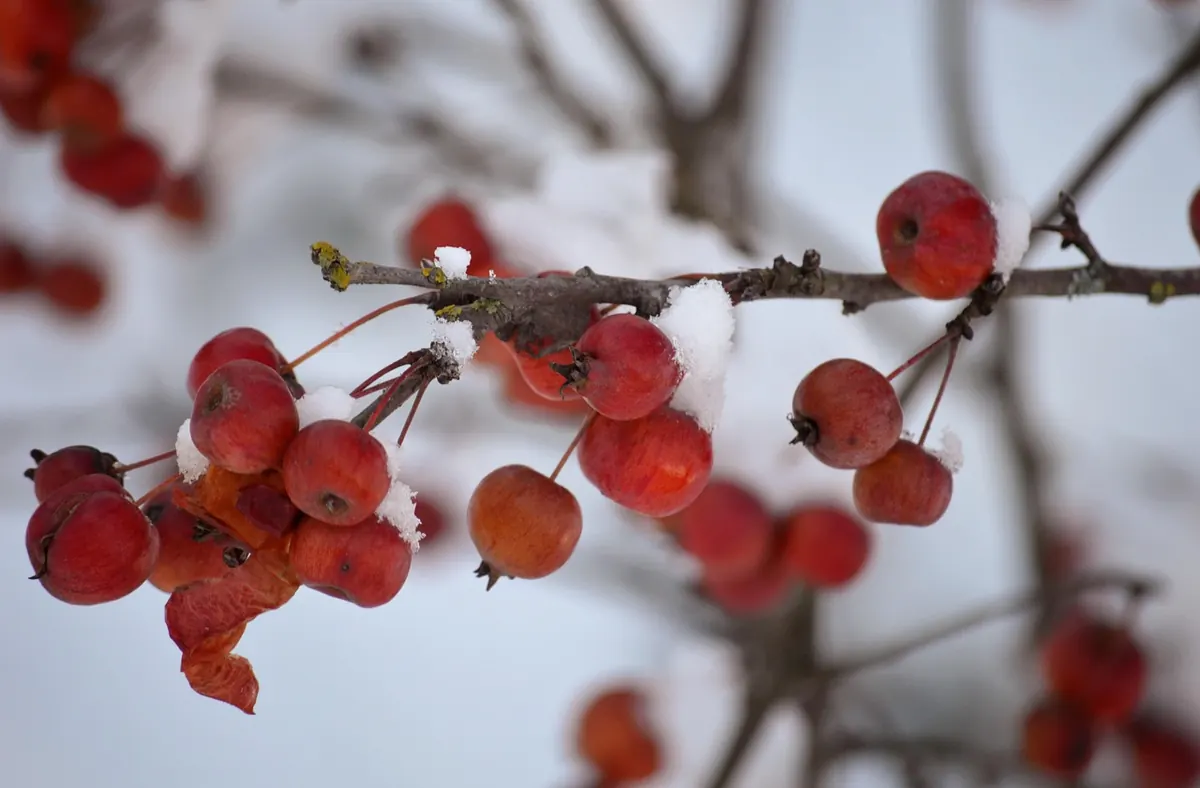
Older residential streets are generous. Cherry plum and damson lines along a cycle path, a single apple tree at the end of a terrace, rowan and crab apple in the strip between pavement and road. These trees were often planted for ornament rather than eating, so the fruit can be small, tart or floury — but a sharp crab apple makes excellent jelly, and cherry plums are usually better than their reputation suggests.
Parks and green corridors
Municipal parks planted a century ago often hold apple, pear, plum and walnut trees that nobody harvests. Look along the quieter edges: behind the bowling green, at the boundary with a railway line, in the corner where the mower turns. Community orchards are another reliable source, since many were planted precisely so that people would pick from them.
Odd corners
Churchyards, the grounds of sheltered housing, the strip behind a supermarket car park, the wide verge outside a closed pub. Fruit turns up in all of them. What matters is who owns the land — which brings us to the next point, but first, identification.
Identify the tree before you touch the fruit
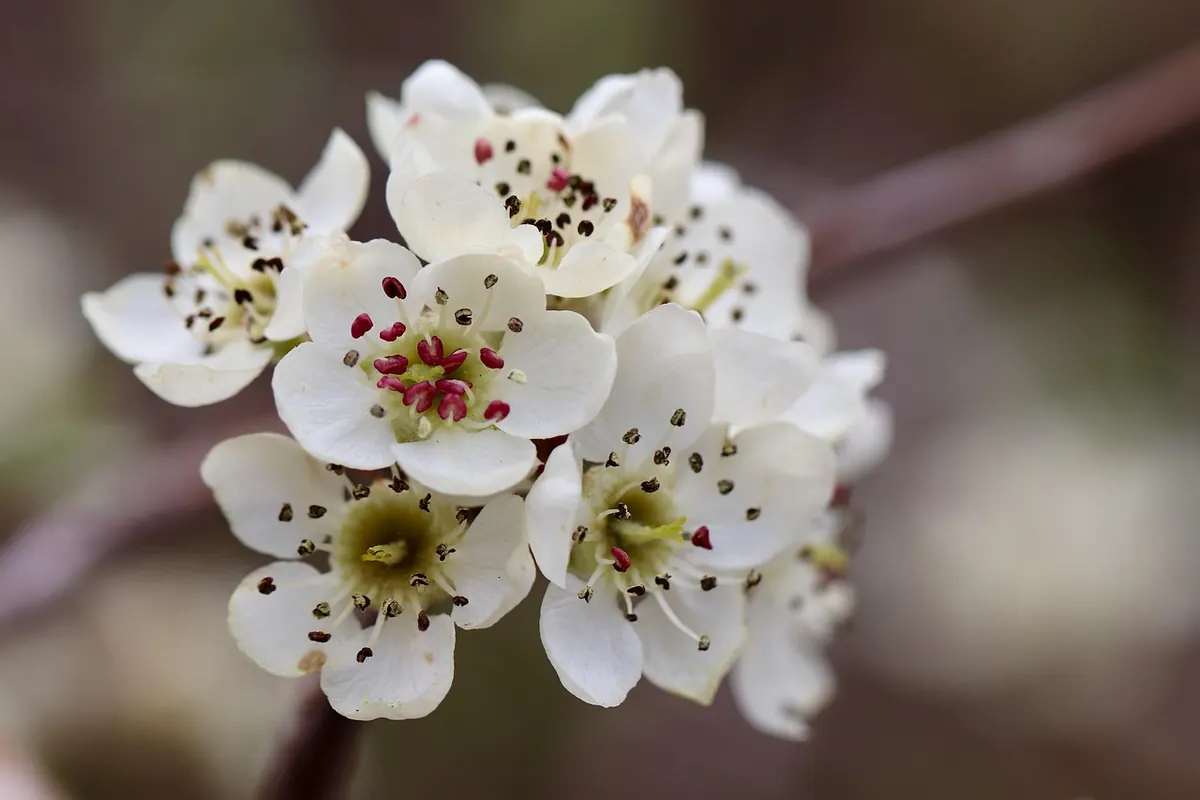
A fruit on the ground is a puzzle with missing pieces. Identify from the leaf, the bark and the fruit together, and be honest about how certain you are. Two common confusions are worth knowing: sweet chestnuts and horse chestnuts look similar in their spiky cases, but horse chestnuts are not for eating; and elderberries, good in cooked preserves, grow on shrubs that are easy to muddle with other hedgerow berries that are not.
A regional field guide and a second opinion from someone who knows the tree are worth more than an identification app, though apps are a reasonable starting point. If you cannot name it with confidence, leave it. There will be another tree.
Ask first, even when the tree looks abandoned
Fallen fruit feels ownerless. It usually isn't. In many places the tree belongs to the council, a housing association, a school or a private landlord, and the fact that fruit has dropped onto a public pavement does not automatically make it yours to take. Rules vary from country to country, and often from one council to the next, so check rather than assume.
In practice, asking is rarely difficult and often pleasant. Phone or email the parks department, say where the tree is and what you would like to do. Some authorities run fruit-gleaning schemes and will be glad of the help; others will say no, and that is useful information too. For a tree in someone's front garden, knock on the door. Your apple tree is dropping a lot of fruit — would you mind if I picked some up? I'll bring you a jar is a sentence that almost always gets a yes, and sometimes a ladder.
Ask about the tree, not just the fruit. A five-minute conversation is the difference between a raid and a welcome.
If local rules are unclear, ask the landowner or the relevant local authority. Treat this as general guidance rather than legal advice, and check what applies where you live.
Choose windfall you would actually eat
The romance of fallen fruit fades fast when you get home with a bag of brown mush. Sort as you go.
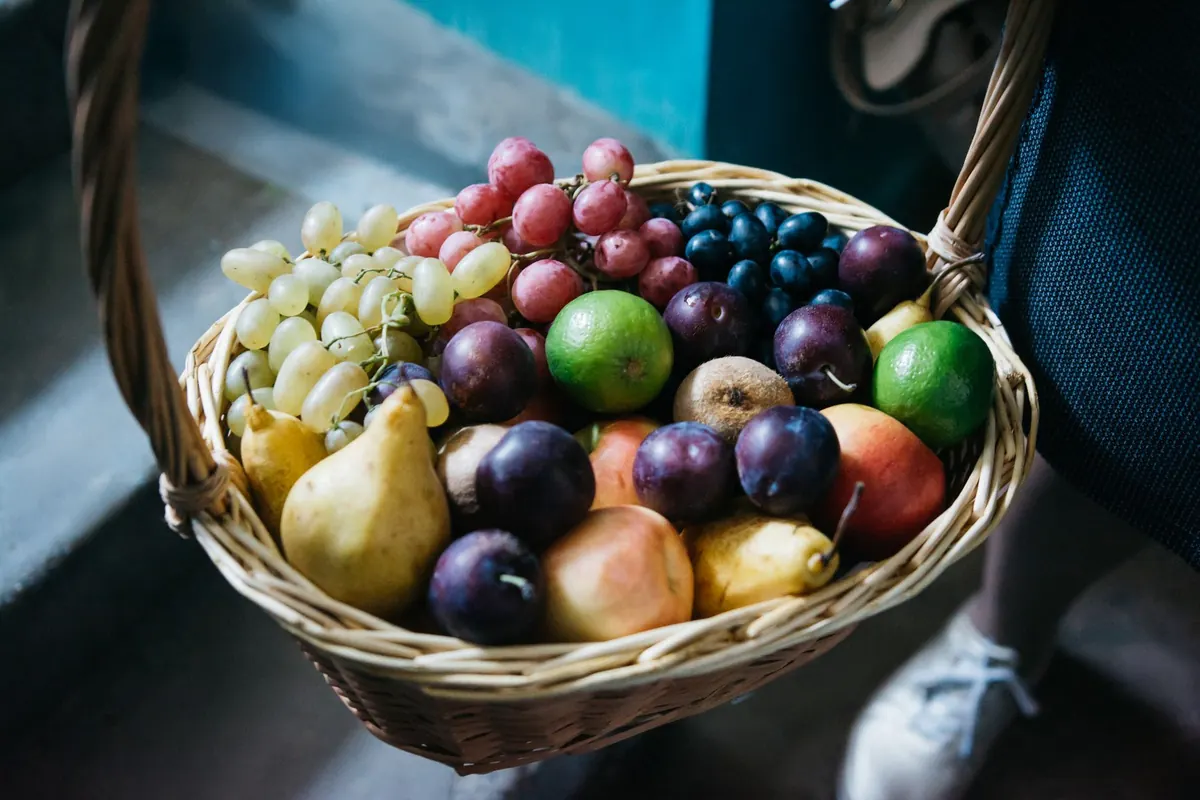
Good windfall is firm and dry, with skin intact or only lightly bruised, smells of the fruit it is, came down recently and still has its stem. Apples and pears for cooking, quinces for jelly, plums for jam.
Leave anything with mould, a sour fermented smell, splits that have gone brown, bird pecks or wasp damage. Also leave fruit lying where dogs are walked, under trees beside a busy road, where a fresh weedkiller notice has gone up, and anything you cannot identify with certainty.
Wash everything before use. If you are pregnant, immunocompromised or cooking for a young child, it is sensible to check with a health professional before eating fruit off the ground.
Harvest so the tree stays welcome
- Take a share, not the lot. Leave fruit for birds, insects and the next person.
- Do not shake or beat branches. Poles snap twigs, and bruised fruit spoils fast.
- Stay off flower beds and out of fenced areas.
- Keep the pavement clear — sweep what you do not take to the side, not into the road.
- Carry fruit in a rigid container. Bags crush anything soft.
- Go home when you have enough. A glut you cannot use is waste with extra steps.
Two more courtesies. Do not harvest in a crowd, which reads as a raid to passers-by, and pick up any litter near the tree even if it isn't yours. Foragers are remembered by the state they leave the ground in.
From bag to kitchen, the same day
Windfall does not wait. Sort it on the kitchen table, discarding anything that has started to soften, then wash and dry what survives. Bruised apples and pears become sauce, chutney or crumble; split plums are best stewed or turned into jam; quinces need long, slow cooking and reward it. Cut away every damaged section and use the rest promptly, rather than storing it hopefully in a bowl for a week.
Your first walk
Pick one route you already know and walk it slowly with a bag in your pocket. Note the trees — a plum here, an apple there, a walnut at the corner — and write down where they are. Come back in a fortnight, when more has dropped.
Then knock on one door or send one email. Ask about the tree, take only what you will use, and leave the ground tidier than you found it. That is the whole method: know what you are picking, know whose it is, and take less than you could. The rest is practice, and the practice is pleasant.
Photo: Couleur / Pixabay