

A fruit calendar is not a wall poster. It is a working tool you mark up, argue with, and revise after every season. In a temperate orchard, the year begins long before the first blossom and continues well after the last apple is picked. What follows is a month-by-month framework for what ripens when, and for the care that each stage demands. Treat the months as signposts, not rules: a cold spring can push harvest back by two weeks, a warm slope can bring cherries early, and a single frost can rewrite the whole schedule.
Late Winter: The Calendar Starts Before Bloom
January and February are quiet in the fruit bowl but busy in the orchard. Apples and pears from storage are finishing, quince may still be firm and fragrant, and frozen or dried fruit fills the gap. This is the window for dormant pruning: remove dead, damaged, and crossing branches, open the centre of the tree to light, and keep the strongest framework. Choose a dry, mild day when the wood is not frozen. Clean your tools between trees, and stand back often to check the shape you are making.
Order bare-root trees and rootstocks now, and plan pollination. Most apples need a compatible partner variety that flowers at the same time; many pears do too. Check stored fruit every couple of weeks and remove any with soft spots before they affect the rest. In mild districts, late winter is also grafting time. The aim is simple: have the tree settled before growth starts, not pruned hard while it is already pushing leaves.
Early Spring: Bloom, Frost, and the First Fresh Fruit
March is unpredictable. Buds swell, the soil begins to warm, and the first pollinators appear on warm afternoons. Finish winter pruning before budbreak, mulch around trees without piling material against the trunk, and feed according to a soil test rather than habit. If frost is forecast during bloom, protect the most valuable trees with fleece, row cover, or a sprinkler system used correctly; avoid heavy cultivation that dries and cools the soil.
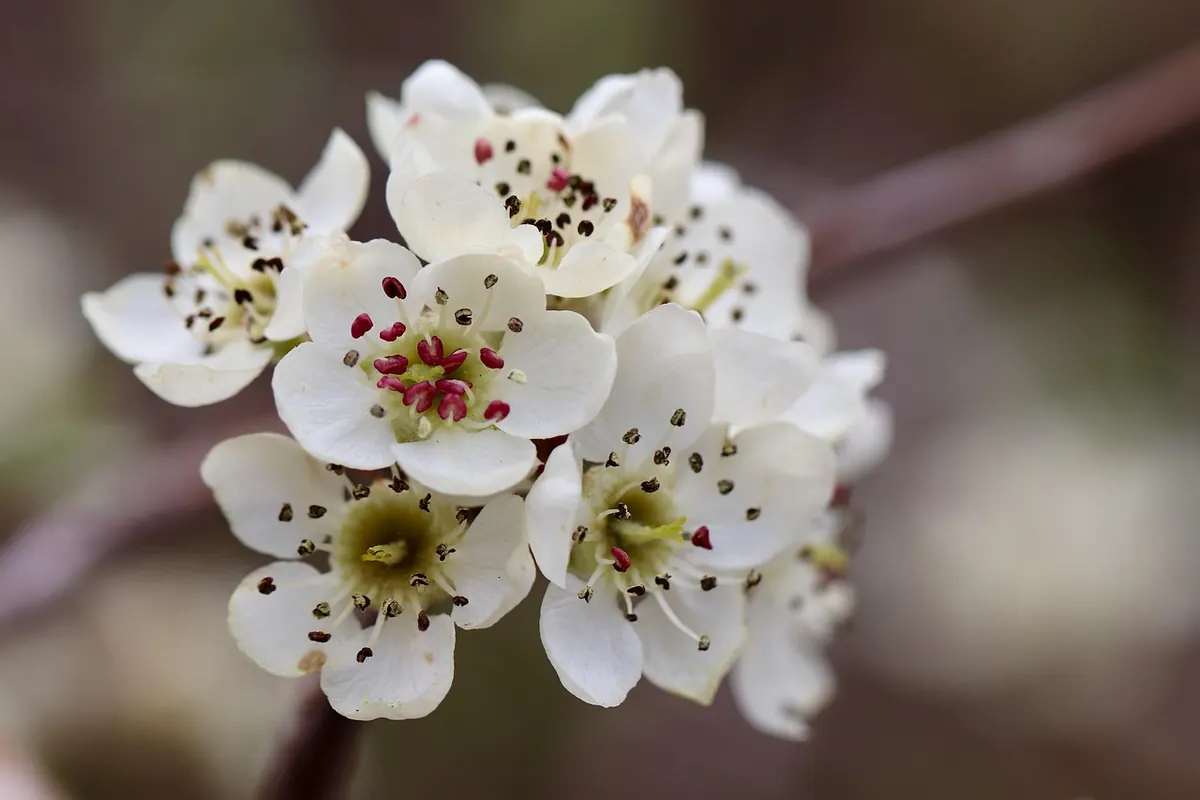
April brings blossom and risk in equal measure. Watch pollination weather: bees do not fly well in cold wind or rain. Leave dandelions and other early flowers in the grass if you can, and provide water for insects. Fruit set follows quickly. In late April and May, thin apples and pears to one or two fruits per cluster, and peaches to a hand-width apart. Thinning feels brutal and pays you back in larger, more regular crops.
May is the first honest harvest month in many temperate gardens. Strawberries ripen, currants and gooseberries begin to colour, and early cherries appear on warm sites. Pick in the morning, when fruit is cool, and handle it as if it were already in the bowl. Taste before you pick a whole tree: colour is only one signal, and a cherry that pulls easily from the stem is usually readier than one that fights back.
Early Summer: Cherries, Berries, and the Thinning Window
June is generous but narrow. Sweet cherries, early plums, raspberries, strawberries, and the last gooseberries overlap in the kitchen. Net cherries before the birds discover them, and pick every day or two. Rain near harvest can split thin-skinned fruit; there is little to do about the weather, but you can pick promptly and keep the fruit dry after picking.
This is also the month to finish thinning and to water consistently. A tree that dries out and then receives a heavy watering can drop fruit or split it. Water deeply and less often, and keep a mulch layer over the root zone. Make notes now: which variety tasted best, which tree was overloaded, where the wasps found a gap. Those notes will shape next winter's pruning and next spring's planting list.
High Summer: Stone Fruit and the Peak Harvest
July and August carry the heaviest load. Apricots, peaches, nectarines, plums, early apples, pears, blackberries, and late raspberries arrive in succession. Pick stone fruit when it gives slightly at the stem end and smells sweet; a peach picked hard will never become the peach you wanted. Pears are different: pick them mature but firm, then ripen them indoors. Wait for the neck to yield and the colour to shift, then eat.
Harvest early in the day and move fruit out of the sun at once. Sort into eat-now, store, and preserve piles. Fallen fruit should be cleared regularly to reduce pests and disease, but leave a few clean windfalls for wildlife at the edge if that suits your garden. Summer pruning of trained apples and pears can begin after harvest, removing vigorous shoots that crowd the fruiting wood. Keep it light; the tree still needs leaves to build next year's buds.
Autumn: Apples, Pears, and the Storage Crop
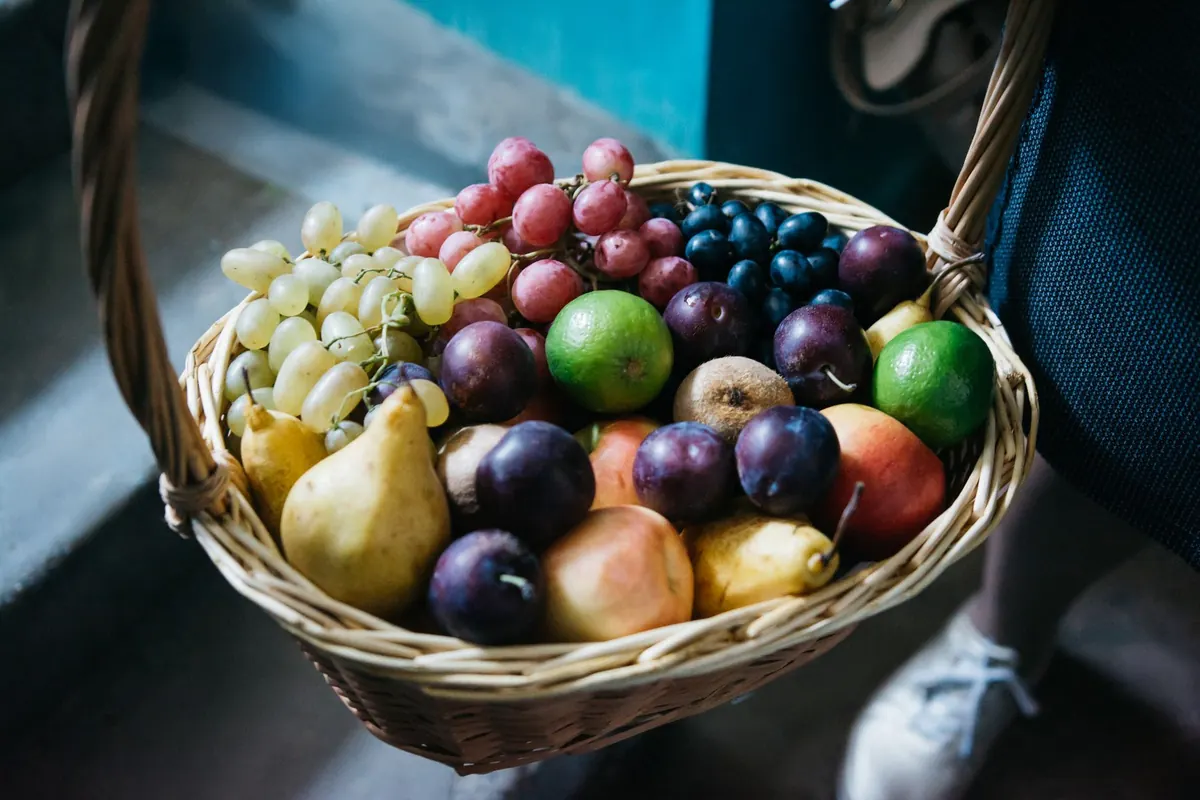
September and October are the orchard's main event. Maincrop apples and pears, quince, late plums, and—in mild gardens—figs and grapes all demand attention. Judge apples by ground colour, ease of picking, and dark seeds, not by the calendar alone. Pears should be lifted before they soften on the tree. Handle every fruit as if it will be stored, because the best ones will be.
Store only perfect fruit. A single bruised apple can scent and spoil a whole box. Keep apples cool, dark, and humid, and wrap or separate them if you have the space. Pears need cooler conditions and regular checking. Quince should be spread out so it does not touch. This is also the season for pressing, drying, baking, and bottling; invite help, and make the work a social event rather than a solitary chore.
Late Autumn and Winter: Cleanup, Planting, and Reflection
November and December close the loop. Leaves fall, bare-root planting begins, and the stored crop becomes the fresh crop. Medlars need bletting—time in a cool, dark place until they soften and turn brown—and late persimmons may hang into winter in mild areas. Rake leaves away from paths and crowns, remove mummified fruit, and clean up debris that shelters disease.
Winter tasks are practical and few:
- Plant bare-root trees while they are dormant, keeping roots moist and the graft union clear of the soil.
- Protect young trunks from rabbits and winter sun with guards or whitewash, using a breathable method.
- Service tools, sharpen pruners, and order labels or netting before spring shortages.
- Read your notes and mark the orchard map with what ripened when and how much you actually used.
- Plan next year's varieties for staggered harvest: an early apple, a midseason pear, a late keeper.
A Practical Calendar for Your Own Orchard
Your real calendar is written by your site, not by a book. Keep a notebook or a simple spreadsheet and record four dates for each variety: first blossom, first ripe fruit, peak harvest, and last pick. Add late frosts, heavy rain, and pest outbreaks. After two or three years, patterns appear, and you can plan work around them instead of reacting.
Use that record to choose varieties that spread the harvest rather than dump it into one week. A small orchard can eat fresh fruit from early summer to late autumn and still have apples in the shed at Christmas. Taste is the final test. Pick a fruit at the moment it tastes best to you, write down the date, and trust the evidence over the label.
Photo: vietnguyenbui / Pixabay