

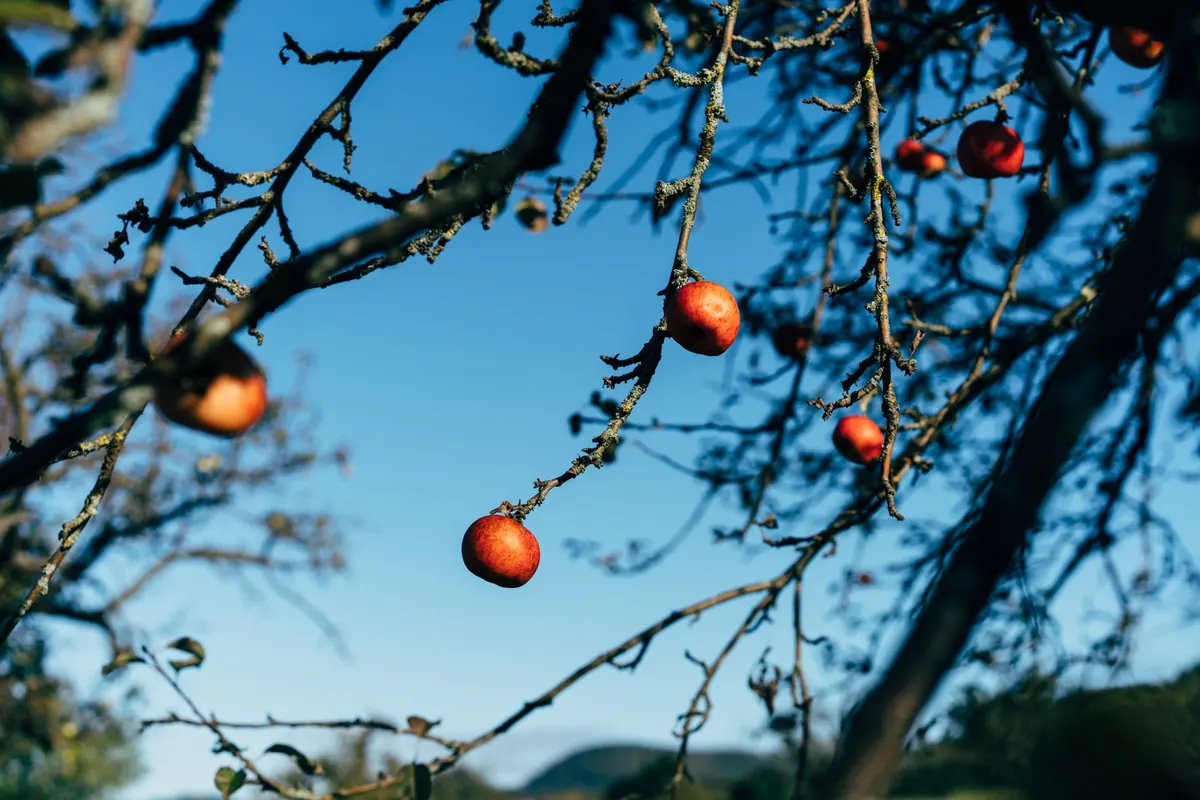
The first apple of the season is rarely the best one. It is usually the one that looks ready from the kitchen window, gets picked a week early, and ends up in a crumble that needs more sugar than fruit. Pears and plums play the same trick. They color up before their flesh and sugar are ready, and each fruit gives different signals when it is truly ready. The useful question is not “What date did we pick last year?” but “What is this tree telling me now?” Here is how the four main cues — color, firmness, stem release, and taste — compare across apples, pears, and plums.
Start with the tree, not the calendar
Picking dates are a rough guide at best. A warm wall, a cool valley, a heavy crop, and a young rootstock can shift ripening by days or weeks. Two trees of the same variety in different parts of the garden can be a fortnight apart. That is why the old orchard habit of tasting a fruit before filling a basket still beats any chart.
Use four checks together. No single one is enough.
- Color: background skin, not just blush.
- Firmness: a gentle press in the right spot.
- Stem release: how the fruit lets go.
- Taste: sweetness, juice, and aroma.
The order matters less than doing all four. A plum can look perfect and still be hard at the stone. A pear can snap from the spur and still be too firm to eat. Read the whole fruit.
Apples: dull shine, hard flesh, clean snap
On the tree, a ripe apple loses the bright, almost plastic shine of youth. The skin looks a little duller, and the background color — the part not covered by red or orange blush — turns from grass green to cream or pale yellow. Blush deepens too, but color alone can fool you. A red apple can be fully colored three weeks before it is worth eating.
Press with the flat of your thumb near the stem cavity, not on the cheek. The flesh should feel hard, with just a hint of give. If your thumb sinks in, the apple is past its best for storing and better used soon. If it feels like a cricket ball, give it another week.
Then try the stem. Cup the apple, lift it slightly, and twist. A ripe apple separates with a small, clean snap; the stem stays with the fruit. If you have to pull hard enough to shake the branch, it is not ready. If it drops into your hand at a touch, it is overripe and should be eaten first.
Finally, taste. Cut a sample from the tree, not from the ground. Look for juicy flesh, a balance of sweet and sharp, and the aroma you associate with that variety. Brown seeds are a useful clue in many apples, but not a rule. Some varieties ripen with pale seeds; some have brown seeds while still starchy. Trust your teeth and tongue more than the seed color.
Pears: pick mature, ripen indoors
Pears are the fruit that trips up most home growers. Unlike apples, they should not be left on the tree until fully soft and sweet. A pear left too long goes mealy in the core, and no amount of sitting on the kitchen counter will fix that. Pick them mature but firm, then let them finish ripening indoors.
Color is a starting point, not a verdict. Bartlett (Williams) turns from green to yellow as it matures; Bosc stays brown and russeted; Anjou remains green even when ready. In all cases, watch the background color lighten and the skin lose its tight, unripe gloss.
For firmness, press gently at the neck, just below the stem. A mature pear has a slight give there, like a ripe avocado before it softens. The bottom half can still feel hard. If the neck is already soft, the pear is ripe and should be eaten, not stored.
The stem test is simple: tilt the pear horizontally. A mature pear will part from the spur cleanly; if it hangs on, wait a few days. Do not yank. Pears bruise easily, and a bruise at the stem end turns brown in storage.
Taste one early sample. It should be crisp, sweet-ish, and aromatic, but not yet melting. Then ripen the rest in a cool room, checking daily. A pear is ready to eat when the neck yields to gentle pressure and the flesh near the core is juicy rather than gritty.
Plums: full color, slight give, easy release
Plums ripen more visibly than apples or pears, but they still have a trick. The skin often reaches full color before the flesh near the stone is sweet. A plum picked too early will soften on the counter, but it will not develop the same sugar or aroma.
Look at the ground color and the bloom. Ripe plums have a dusty, powdery bloom on the skin; handling rubs it off. The color should be deep and even for the variety — purple, red, yellow, or green, depending on type. A hard, shiny plum with no bloom is usually immature.
Press lightly near the stem. A ripe plum gives slightly, like a ripe peach, but does not collapse. The flesh should feel springy, not mushy. If juice runs at the touch, pick and eat immediately. If the fruit is rock-hard, wait.
Stem release is a good confirmation. Ripe plums detach easily from the spur with a gentle twist; the stem usually stays with the fruit. Some clingstone types hold a little tighter, so use taste as the tiebreaker.
Taste is the final test. A ripe plum is sweet with enough acidity to keep it lively, and the flesh near the stone should be juicy, not dry or mealy. Sample one from the sunny side of the tree first, since those often ripen earliest.
The four cues, side by side
Here is how the same checks shift from fruit to fruit:
- Apples: background green fades to cream; flesh stays hard; stem snaps cleanly; taste should be juicy and sweet-sharp.
- Pears: background lightens; neck gives slightly; pear tilts off the spur; taste is crisp and aromatic, then ripens indoors.
- Plums: full color with bloom; slight springy give; fruit twists off easily; taste is sweet with lively acidity.
A useful rule: apples and plums are picked close to eating ripe, while pears are picked mature and finished off the tree. That single difference explains most of the confusion when one person’s “ready” apple feels like another person’s “too hard” pear.
Make the first pick a small one
Before you fill a basket, pick three or four fruits from different parts of the tree. Taste one, press another, and check how the stem releases. Then wait a day and try again. Keep a small notebook of variety, date, and what the fruit was like; after two seasons you will have a better guide than any general chart.
Handle each fruit as if it were an egg. Put picked fruit in a shallow basket, not a deep bucket, and keep it in the shade. Sort as you go: use the softest first, store the firmest, and leave the doubtful ones for jam. The tree will tell you when the main crop is ready — you just have to ask all four questions.
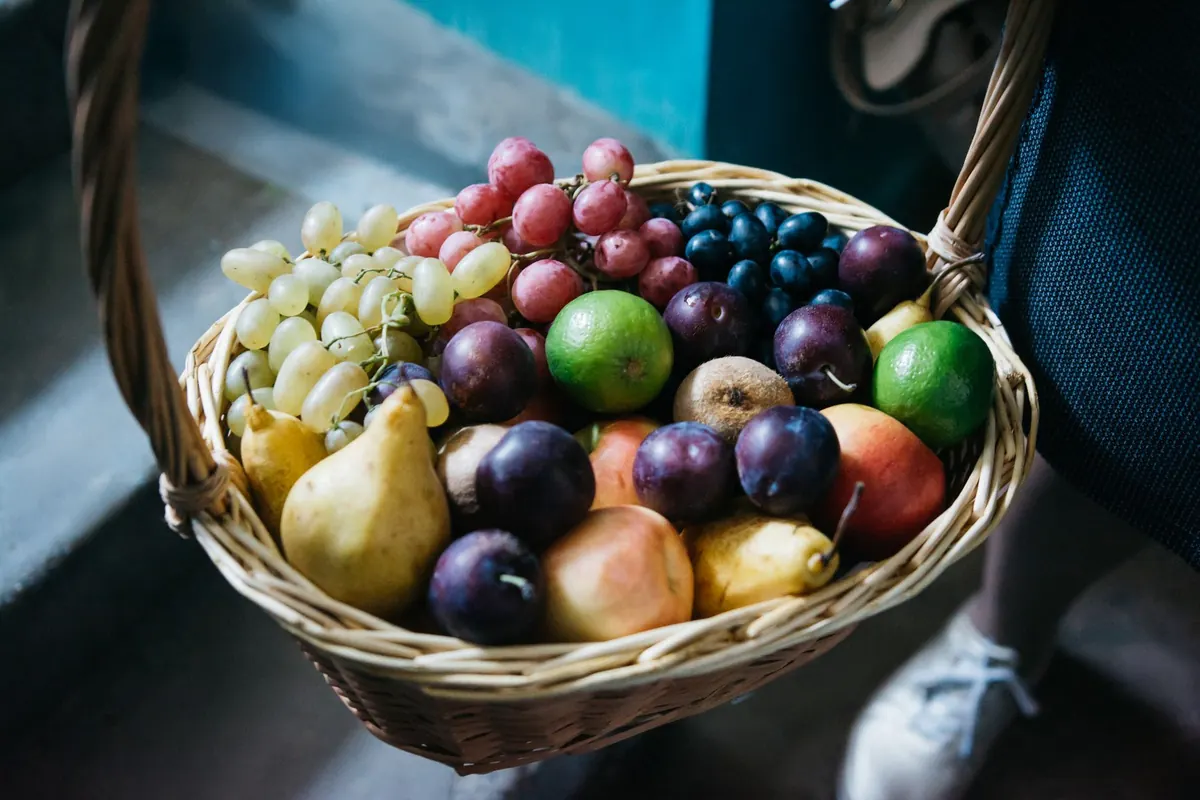
Photo: Markus Winkler / Pexels